Why is my hair falling out? Hair loss in women, explained
Losing your hair is stressful, and it is rarely just a cosmetic thing. Often it is your body flagging that something upstream, like low iron, a struggling thyroid, shifting hormones or long term stress, needs attention. Rule out the significant causes with your GP first, then work on the nutrients and stress load sitting underneath.
Key takeaways
Hair has long been tied to health and vitality, so noticing it thin or shed can feel much bigger than it looks from the outside.
If your shedding is sudden, patchy or heavy, see your GP first to rule out things like thyroid issues, autoimmunity and alopecia.
Iron (specifically your ferritin), protein, zinc and vitamin D are worth checking, because low levels are common in women and all play a role in healthy hair.
Hormones, from your thyroid to your androgens, sit behind a lot of women's hair thinning, and they are worth investigating properly with your GP rather than guessing.
Stress and hair loss are genuinely connected, and chronic stress can quietly worsen how well you absorb the nutrients your hair needs.
In this article
Why losing hair hits so hard
First, rule out the underlying cause
The hormonal picture: thyroid and androgens
The nutrients that matter for your hair
The stress and hair loss connection
What about rosemary oil and other topicals?
FAQs
Why losing hair hits so hard
Hair has long been seen as a symbol of health, fertility and vitality. So even when your hair is simply not growing as thick or as long as it used to, it can stir up real distress. I see this in clinic all the time - women who are seeking support for something else (like unexplained gut issues and hormone problems) and are also struggling with excessive hair loss or poor hair growth.
Hair loss is not just a cosmetic or superficial problem. It is your body telling you that growth has been sacrificed for survival. The real question is, what’s happening underneath?
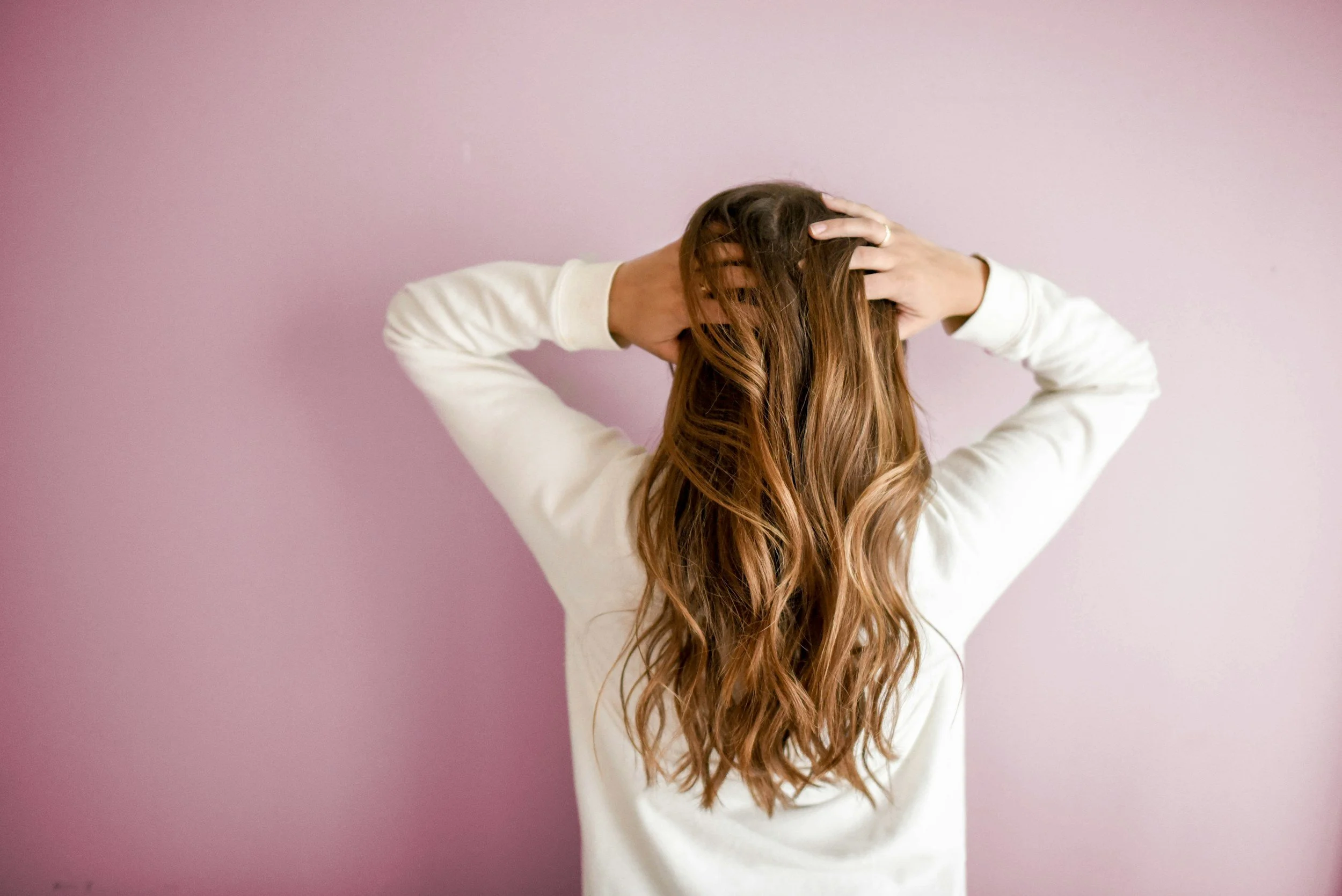
Start with further testing to investigate the underlying cause. Instant Scripts conveniently provides pathology referrals. Find out more here.
First, rule out the underlying cause
If your hair loss is significant, sudden or patchy, the first step is not taking another “hair, skin and nails” supplement. It is a proper investigation with your GP. There are a handful of things that genuinely need ruling out, including alopecia (an autoimmune form of hair loss, often showing up as circular patches), thyroid dysfunction, and hormone conditions like PCOS/PMOS. Getting a blood test is important.
And if something feels off but you have been told everything is "normal," it is completely ok to seek a second opinion. You know your body better than anyone. This is often where a fuller look at the picture, including functional testing that goes beyond a standard panel, helps join the dots.
As a naturopath, I can help you interpret your blood test results in the context of your symptoms and refer you to a GP if anything needs further attention.
The hormonal picture: thyroid and androgens
For a lot of women, hormones are the missing piece.
Thyroid is a big one. An underactive thyroid can slow hair growth and increase shedding, which is exactly why it is worth checking properly rather than assuming it is fine.
Then there are androgens. Female pattern hair loss (that gradual thinning through the mid scalp, or a part line that keeps widening) is linked to the effect of androgens like DHT on genetically sensitive hair follicles. If your hair is thinning in this pattern, it is worth asking your GP to look into your hormones properly. Conditions that affect your hormones, including things like PMOS (formally called PCOS), are worth investigating with your GP rather than trying to self diagnose from a blog. This is also why treating the hair in isolation is not realistic. If hormones are involved, that is the layer that needs the actual work.
Postpartum and perimenopause can also contribute to excess hair loss.
The nutrients that matter for your hair
Once we have investigated the underlying causes, this is where we optimise. Hair is metabolically demanding, and it is one of the first things your body deprioritises when resources are tight. I always start with food, then use supplements to fill proven gaps. The nutrients I pay the most attention to:
Iron, and specifically ferritin (your iron stores). Low ferritin is commonly associated with hair shedding in women, and it is one of the most missed contributors.
Protein. Your hair is largely made of protein, so consistently under eating it shows up in your strands and most women don’t eat enough! Here is my protein shopping list if you want a starting point.
Zinc. Involved in the hair growth and repair cycle.
Biotin. Genuinely helpful if you are deficient, though true deficiency is less common than the supplement aisle would have you believe.
Vitamin D. The evidence here is mixed, with some studies finding lower levels in women who are shedding and others finding no clear difference. I still think it is worth knowing your number, especially heading out of an Australian winter.
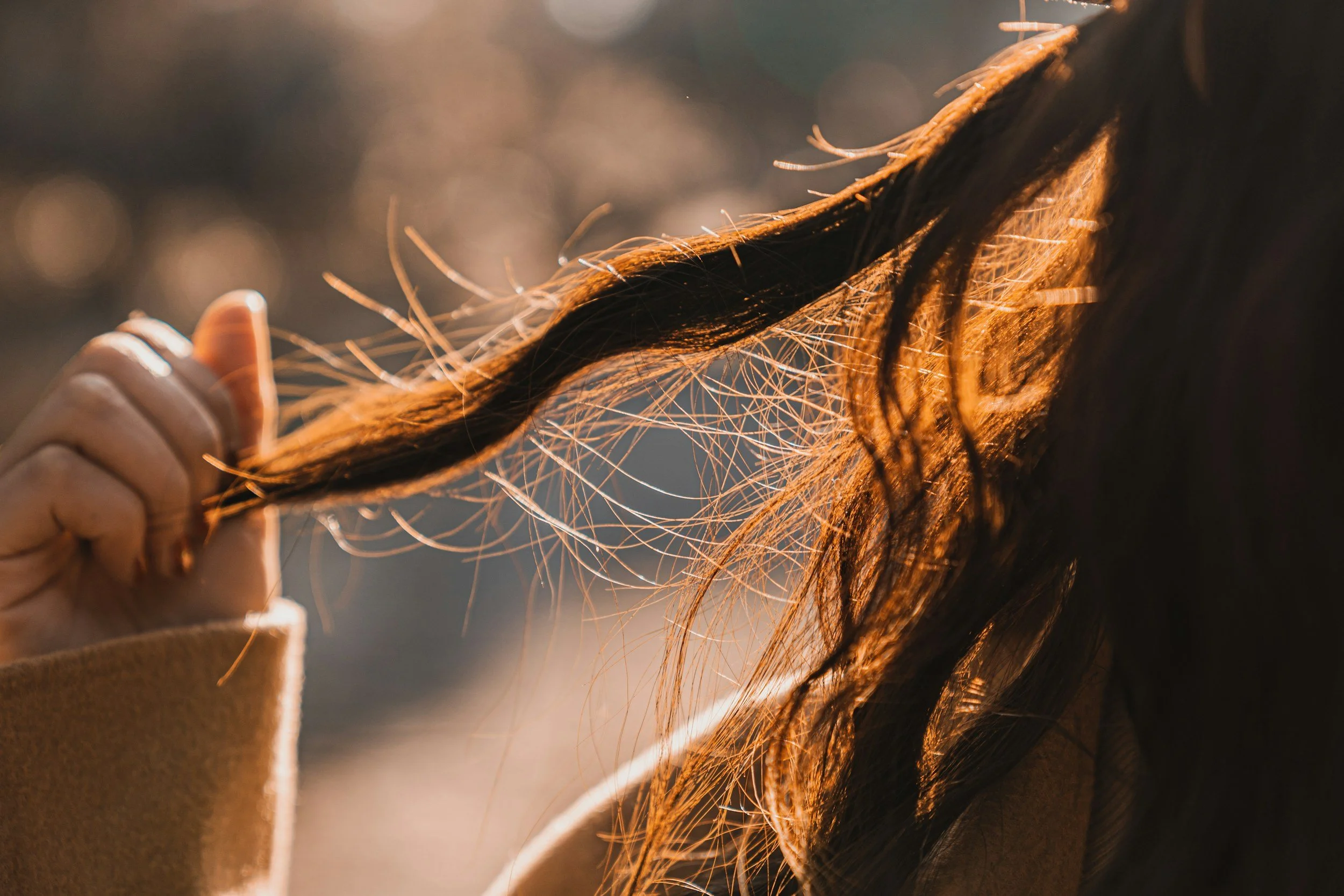
There are many causes of excessive hair loss, including nutritional deficiencies.
One thing I see constantly is under eating. If you are on a very low carb or very low calorie diet, your body can read that as scarcity and quietly divert energy away from non essential jobs like growing hair. It is that same theme again, growth sacrificed for survival. Sometimes the answer is not another supplement, it is simply eating more, and eating enough of key nutrients.
Another thing I see - loading up on supplements you do not actually need will not grow more hair, and some can backfire. Test before taking supplements, do not guess.
If you want to see the collagen, protein, iron and zinc options I keep for hair and nutrient support, you can browse them through my online dispensary. Sign up for a free account here to access high-quality products recommended by a naturopath.
The stress and hair loss connection
Ask most women when their hair started falling out and they will often pinpoint a stressful stretch a few months earlier. That is not a coincidence. Significant physical or emotional stress can push hair follicles prematurely into their shedding phase, which then shows up as increased loss weeks to months later.
Also, when you are stuck in chronic fight or flight, digestion and nutrient absorption can slow, so even a good diet may not be providing what you need. That can leave you low in the exact nutrients your hair needs to grow. It is a bit of a vicious cycle, and it is why managing your stress load is very important.
What about rosemary oil and other topicals?
Topicals like rosemary oil come up constantly. One often cited trial found rosemary oil performed similarly to a low dose of minoxidil for pattern hair loss over six months, with less scalp itch. That is interesting, but it is one small study, the results took months to show up, and it does not mean it works for every type of hair loss.
If you want to try it, do your own reading, patch test first (trying it on other body hair before your scalp is a sensible, low stakes test), and keep your expectations realistic.
I personally love making my own rosemary oil by steeping fresh rosemary leaves in almond oil in a slow cooker for 24 hrs on low or in a jar outside in the sun for a week. I then strain the liquid and get an aromatic rosemary oil to apply to the scalp.
FAQs
Why is my hair falling out when my blood tests are normal?
"Normal" on a standard panel does not always mean optimal, and standard bloods do not test everything relevant to your hair. Ferritin, thyroid antibodies, zinc and vitamin D are not always included. It also helps to remember that hair sheds on a delay, so a stressor or illness from two or three months ago can be the real trigger. A fuller look at the pattern usually explains it.
How much hair loss is actually normal?
Shedding somewhere around 50 to 100 hairs a day is considered typical, and it naturally fluctuates. What is worth paying attention to is a clear increase in shedding, a widening part, patchy loss, or hair that is just not regrowing.
Will taking biotin regrow my hair?
Really only if you are deficient, which is less common than the marketing suggests. If your levels are fine, extra biotin will not add hair, and high doses can actually skew some blood test results (including thyroid tests).
Can stress really cause hair loss?
Yes. Significant physical or emotional stress can tip hair follicles into their shedding phase, with the loss showing up weeks to months later. The good news is this type is often temporary once the stressor eases and your nutrients are topped back up.
How long until my hair grows back?
It depends entirely on the cause, but hair is slow by nature. It grows somewhere around a centimetre or so a month, so noticeable regrowth is a matter of months, not weeks. This is exactly why working out the driver early matters, so you are not losing time on the wrong approach.
Work out what is actually driving your hair loss
If your hair loss has been going on for a while, or the "everything is normal" answer has never quite sat right with you, you do not have to keep guessing. In an initial consult we look at the whole picture, your bloods, your hormones, your nutrients and your stress load, and build a plan that actually fits what is going on for you.
If that sounds like what you need, you can book an initial consult here.
It is your hair, but it is also information. Let's read it properly.
Let’s connect
Follow me on Instagram | Facebook for health tips, case studies, and exclusive insights.
Looking for more?
Explore more on my website here: https://www.oliviagracenaturopathy.com.au
📍 In-person and online consultations available
📧 info@oliviagracenaturopathy.com.au
📱 DM me on Instagram or Facebook @oliviagrace.naturopathy
Disclaimer: This article is for informational purposes only and is not a substitute for personalised medical advice. Please work with a qualified health professional for support specific to your situation.
Written by Olivia Grace, BHSc (Naturopathy), Wagga Wagga.