How to understand your hormones (and stop guessing)
A naturopath's guide to tracking your cycle, decoding symptoms, and knowing what's actually going on in your body.
TL;DR:
Your hormones are chemical messengers, and when something feels off, your body is communicating, not malfunctioning. Start by tracking your cycle (colour, length, symptoms), then layer in BBT tracking, LH testing, and blood tests as needed. For the most comprehensive picture, the DUTCH test measures not just your hormone levels but how well your body is clearing them. From there, we build a plan around detoxification, nutrition, and nervous system support. Book in if you'd like to look at your picture specifically.
You've probably heard the phrase "hormone imbalance" thrown around on Instagram. But what does it actually mean?
Here's the truth: your hormones are not randomly misbehaving.
Experiencing heavy, painful or irregular periods, PMS or PMDD, PCOS/PMOS, perimenopause, difficulty conceiving or something else? This is useful information about your hormones, not a sign that you’re broken.
What is a "hormone imbalance" anyway?
Your hormones are chemical messengers. They travel through your body telling different systems what to do and when.
When we talk about a hormone imbalance, we're essentially talking about one of two things: something is driving your body to produce too much or too little of a particular hormone, or your body is struggling to break down and clear hormones once they've done their job, causing them to accumulate.
Hormones need to be processed and removed from the body efficiently. When that doesn't happen, they accumulate, and that build-up can drive a whole range of symptoms. When oestrogen isn't being cleared well through the liver and gut, for example, it can contribute to heavy periods, breast tenderness, PMS, and in the long term, increased health risks.
Common hormonal patterns I see in clinic include:
- High or low oestrogen
- Low progesterone
- High or low testosterone
Getting more information: where to start
The first step is understanding what's actually happening in your body. Here's how I approach that with clients, starting from the most accessible entry point through to more comprehensive testing.

Tracking your period and associated symptoms is the first step to improved hormone balance.
Level one: track your cycle
Before we run any tests, simply paying attention to your cycle tells us a lot. Start tracking in your diary or in an app like Stardust:
- The first day of your period (this is day one)
- How long your bleed lasts
- The colour and quantity of your flow
- Breast tenderness, mood changes, or pain
- Changes in cervical mucus throughout your cycle
- Signs of ovulation including a shift in libido or mild pelvic discomfort
This is free, requires no equipment, and is genuinely one of the most underrated starting points in hormonal health.
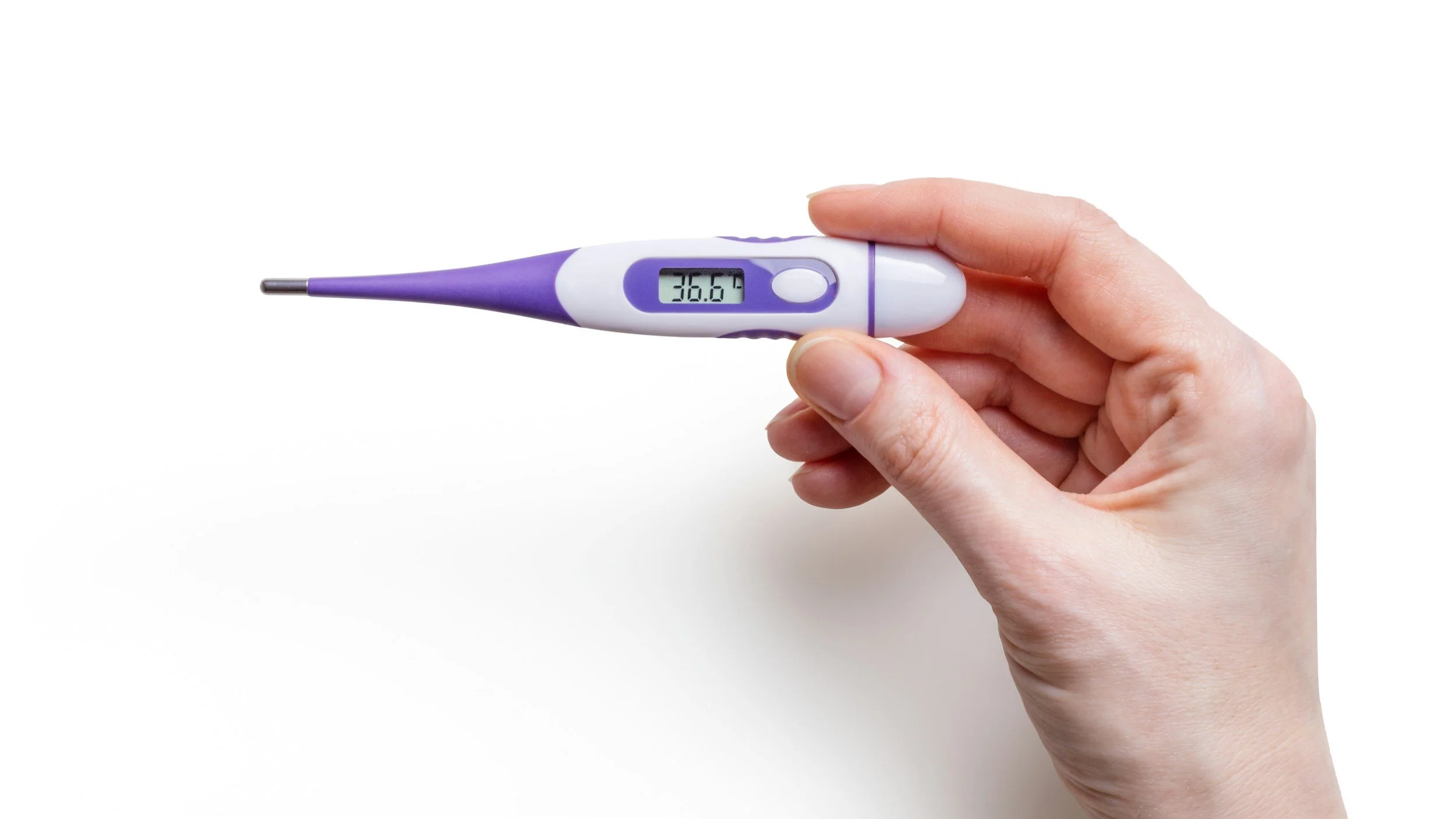
Using a fertility thermometer or temperature tracking device helps you confirm ovulation.
Level two: basal body temperature (BBT) tracking
BBT is your resting body temperature, taken first thing in the morning before you get out of bed. It rises slightly after ovulation due to the warming effect of progesterone, so consistent tracking over time gives you a clear picture of whether and when you're ovulating.
I recommend the Natural Cycles app for this. It uses your morning temperature readings to map your cycle, and it's TGA-approved as a contraceptive method when used correctly. You can purchase a wristband that automatically tracks your temperature overnight, or a low-cost fertility thermometer works just as well if you prefer to log it manually into an app like Kindara each morning.
A few things worth knowing:
Alcohol and poor sleep will affect your readings, so consistency matters
Track for at least three cycles before drawing any conclusions, as patterns take time to emerge
Please chat with a qualified health professional before using it as your primary contraception, as it's not the right fit for everyone
Level two add-on: LH testing
LH (luteinising hormone) is the hormone that surges just before ovulation. Testing for it at home using ovulation predictor kits, available at most pharmacies, can help you confirm and predict when ovulation is approaching.
A positive result means ovulation is likely within 24 to 36 hours. Your fertile window opens up to five days before this point, since sperm can survive in the reproductive tract for several days. Used alongside BBT, LH testing gives you a much more complete picture than relying on a period tracking app alone.
Note: Period apps predict your cycle based on averages but are not reliable.
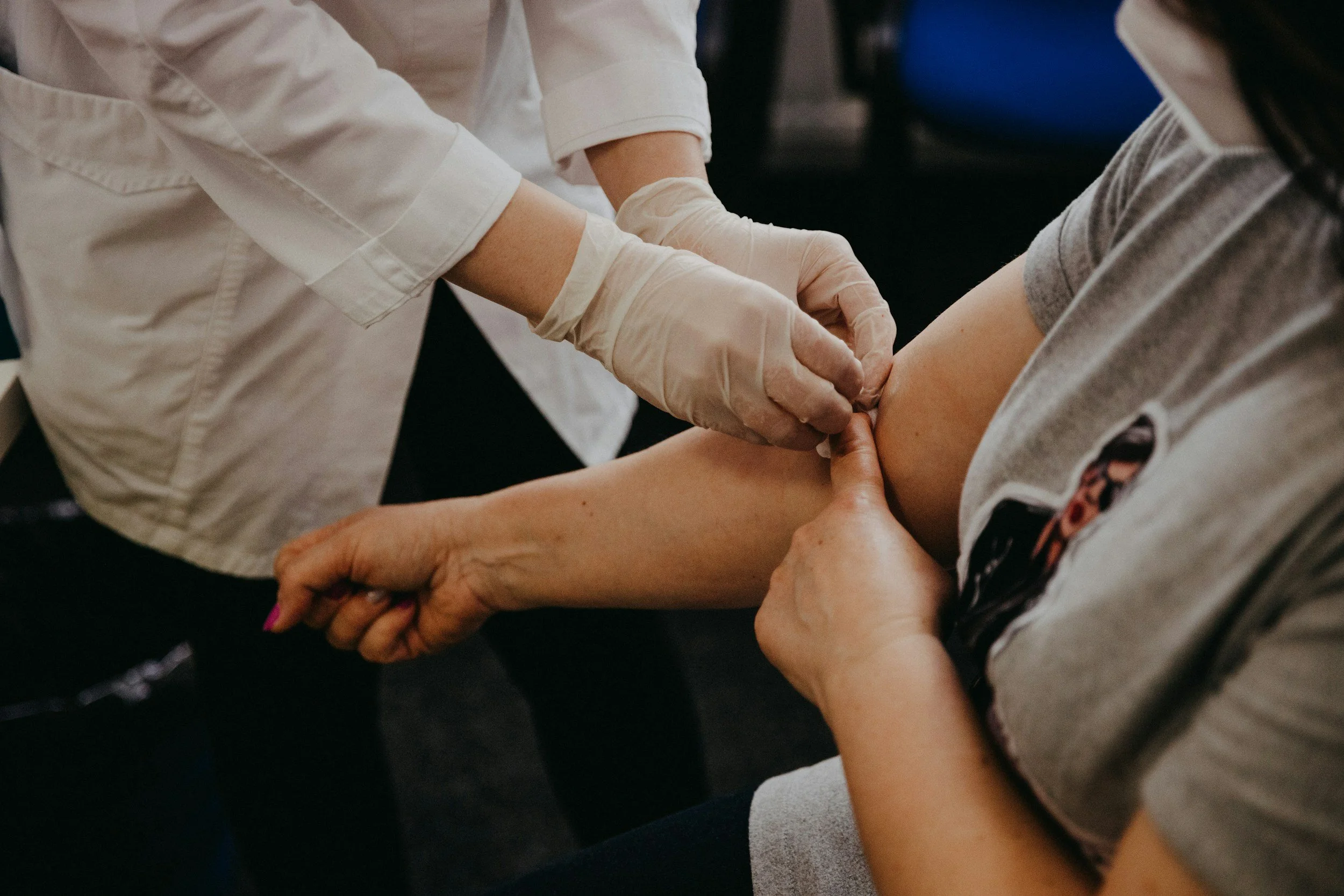
Ordering a hormone blood test is an accessible way to understand your hormones better.
Level three: blood tests
Blood tests are a practical and accessible starting point for getting a baseline hormonal picture. Day three of your cycle is commonly used to assess FSH and oestrogen, while days 19 to 21 give us useful information about progesterone.
One important thing to understand about blood tests: serum hormone levels fluctuate significantly throughout the day and the cycle. A blood test gives us a snapshot of what's circulating at one moment in time. That's still useful information, but it has its limits.
I use InstantScripts to help clients order relevant pathology - order yours below (untick AMH testing unless recommended by a professional).
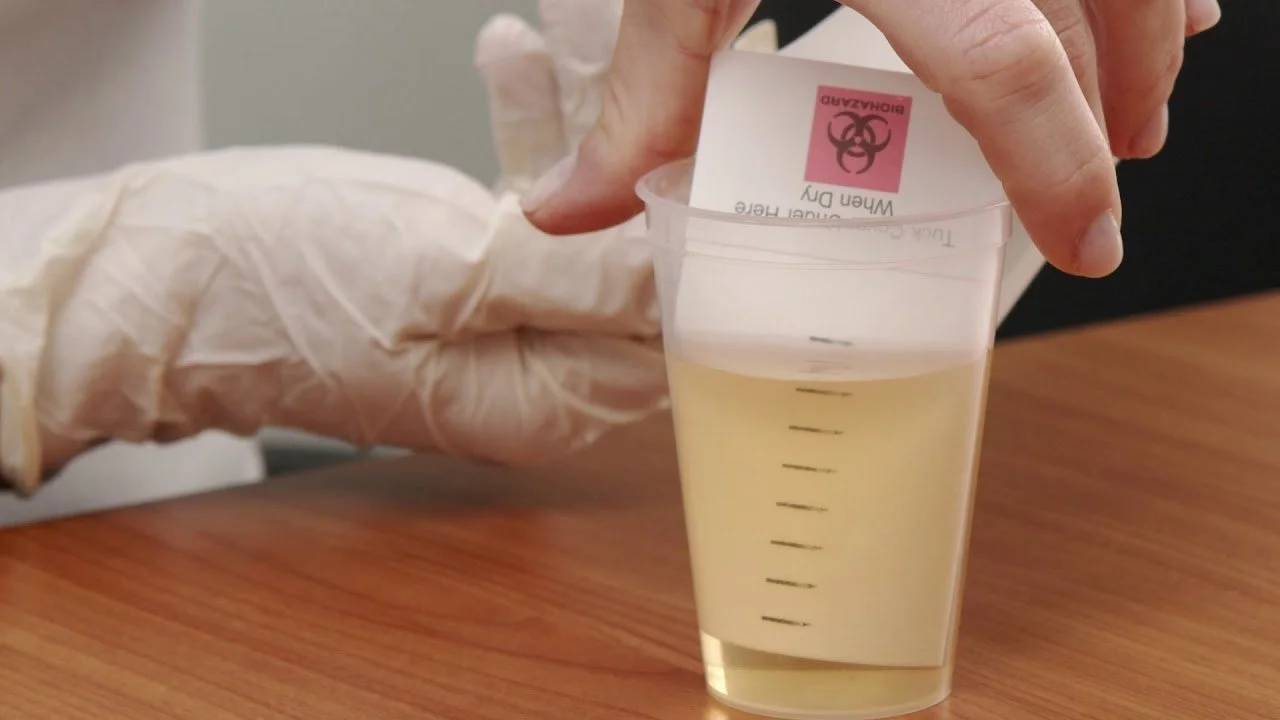
The DUTCH test gives you a detailed picture of how your hormones are actually functioning, not just what's circulating in your blood. Image source: Nutripath Pathology.
Level four: the DUTCH test
This is the test I was most recently excited to do on myself!
DUTCH stands for Dried Urine Test for Comprehensive Hormones. Unlike a blood test, a DUTCH test measures how your hormones are produced, used, and cleared through multiple urine samples collected throughout the day. The reason urine is so informative here is that it reflects what's happening with your hormones on that day, rather than a fluctuating serum level that can shift hour to hour.
It gives us a detailed picture of oestrogen, progesterone, testosterone, cortisol, and melatonin, along with how efficiently your body is actually processing and eliminating those hormones. That last part is often the piece that standard testing completely misses.
The DUTCH test is ideally collected five to seven days after ovulation. This is the mid-luteal phase, when progesterone is at its peak and we can get the most useful read on your oestrogen-progesterone balance. If your cycle is shorter or longer, timing is adjusted to suit your individual pattern.
When I did my own DUTCH test, it showed me that I have impaired oestrogen detoxification. Something I would never have picked up from a routine blood test, and something that is now directly shaping my own wellness strategies.
What we do with this information
Once we have a clearer picture of what's going on hormonally, we build a plan based on what your body actually needs. For most people, this involves working across three main areas.
Supporting detoxification pathways. The liver and gut play a central role in breaking down and clearing hormones. Specific nutrients and plant compounds can meaningfully support these processes, and this is often where we see the biggest shifts for people dealing with hormone-related symptoms.
Optimising nutritional status. Your body needs the right raw materials to produce hormones in the first place. Nutrient deficiencies are more common than most people realise and are often a quiet contributing factor in hormonal disruption.
Nervous system regulation. Chronic stress has a direct effect on cortisol, which in turn influences your sex hormones, thyroid function, blood sugar, and more. A dysregulated nervous system makes it harder for everything else to do its job properly.
From here, we layer in more targeted support based on your specific results and presentation: particular plant compounds to upregulate detoxification, gut microbiome support to support oestrogen clearance, and nutritional strategies tailored to what your body is actually lacking.
These foundations apply whether you're navigating PCOS/PMOS, PMS, PMDD, perimenopause, irregular cycles, difficulty conceiving, or simply not feeling like yourself in the second half of your cycle.
Where to from here
If you've read this and you're nodding along, it might be time to look at your picture specifically.
A few things worth bringing to your first appointment:
- Any previous blood test results
- Cycle notes if you've started tracking
- A list of your symptoms, including when in your cycle they tend to show up
You can book an in-person appointment in Wagga Wagga or a telehealth consultation from anywhere in Australia below.
Let’s connect
Follow me on Instagram | Facebook | LinkedIn for health tips, case studies, and exclusive insights.
Looking for more?
Explore more on my website here: https://www.oliviagracenaturopathy.com.au
📍 In-person and online consultations available
📧 info@oliviagracenaturopathy.com.au
📱 DM me on Instagram or Facebook @oliviagrace.naturopathy
Disclaimer: This blog is written for general educational purposes and does not constitute medical advice. Please consult a qualified healthcare professional before making changes to your health management, particularly regarding contraception, testing, or supplementation.