Is it perimenopause? Why you're exhausted, foggy and gaining weight despite doing everything right
TL;DR: Perimenopause can start in your late 30s and the symptoms, including brain fog, fatigue, weight gain, heavy periods and night sweats, are real even when your blood tests look normal. The good news is there's a lot that can be done, from nervous system support and nutrition to hormone therapy. This post walks you through what's actually happening and where to start.
You're exhausted in a way that sleep doesn't fix, your body feels like it belongs to someone else, and somewhere between the flooding periods, the 3am wake-ups, and walking into rooms and forgetting why, you've started wondering if you're losing your mind.
You see your GP but your tests come back “normal”.
If you're in your late 30s or 40s, this might be perimenopause.
What Is Perimenopause (And Why Is It So Hard to Diagnose)?
Perimenopause is the hormonal transition before your final period. It can last anywhere from two to twelve years, often starting in your late 30s or mid-40s, well before most women expect it.
The reason it's so hard to confirm? Standard blood tests reflect your hormones at just one point in time. Since oestrogen and progesterone can swing dramatically from week to week during this transition, a normal result doesn't necessarily mean that nothing is happening.
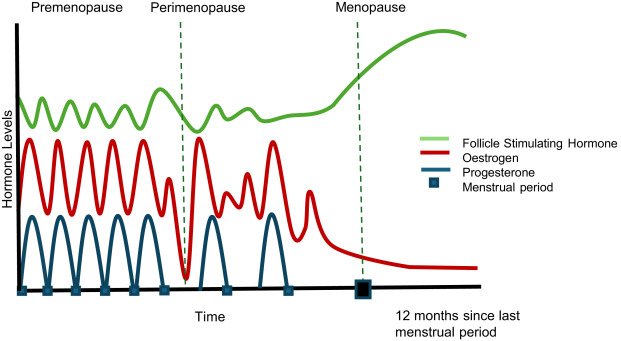
This image from a 2025 paper by Cutts & Fennessy shows the hormone fluctuations taking place during perimenopause. Standard blood tests only offer one snapshot in time, which is exactly why so many women are sent home being told, "everything looks normal”.
Common perimenopause symptoms include:
Brain fog, forgetting words, losing your train of thought mid-sentence
Fatigue that no amount of sleep fixes
Heavy, flooding periods or cycles that have become unpredictable
Hot flushes and night sweats
Unexplained weight gain, especially around the middle
Anxiety, low mood or mood swings that feel out of character
New food sensitivities, joint pain, itchy skin
Sound familiar? You're not imagining it.
What's Actually Going On With Your Hormones
Most people assume perimenopause means oestrogen is dropping. It's actually the opposite in the early stages. Oestrogen spikes wildly, then crashes back down, over and over again. At the same time, progesterone quietly disappears as ovulation becomes less reliable.
Progesterone is the hormone that used to buffer your nervous system from those swings. Without it, everything feels louder, harder, and more overwhelming.
This is why perimenopause symptoms can feel so erratic. Your hormones genuinely are.
What Actually Helps: A Practical Perimenopause Protocol
1. Get the Right Blood Tests
Your GP may not be able to order everything on this list, but in an ideal world these are the markers worth looking at to assess underlying drivers. Always ask for a copy of your results so you know exactly what's been tested and can track changes over time.
Full thyroid (TSH, Free T3, Free T4, antibodies)
Liver function
Vitamin D
Fasting insulin and/or HbA1c (insulin resistance markers)
B12 (commonly missed, often low in peri)
Full iron studies, especially if periods are heavy
LH and FSH if possible
2. Track Your Symptoms
A simple diary, even just notes in your phone, helps us to identify patterns. Track your cycle, period symptoms, sleep quality, mood, and energy.
3. Start With Your Nervous System
Before anything else, this is where to focus. Magnesium, taurine, and glycine are an effective combination for sleep, anxiety, hot flushes, and mood. Add nervine herbs like passionflower, lemon balm, or ziziphus if you need more support. Most of my clients quickly notice a difference.
4. Address Nutritional Deficiencies
The most common gaps I see in perimenopausal women are calcium, iodine, zinc, vitamin D, B12 and iron, which can quietly drive fatigue, mood changes, brain fog and more. I always start with food as medicine and bring in targeted supplementation when needed.
5. Protein and Muscle Matter More Than Ever
Unexplained weight gain during perimenopause isn't a willpower problem. Changes in oestrogen and chronic stress can affect muscle mass and insulin sensitivity. Aim for 1g of protein per kg of body weight daily at the very minimum (see here for practical protein strategies), and get resistance training in at least twice a week. This is genuinely one of the most effective things you can do for your metabolism, energy, and long-term health.
6. Look After Your Liver and Gut
If you're dealing with unexplained flushing, itching, headaches, or worsening symptoms after certain foods or alcohol, histamine may be a factor. High oestrogen spikes activate mast cells, which release histamine. Supporting your liver and gut helps clear excess oestrogen more efficiently. Focus on cruciferous vegetables, adequate fibre, a diverse diet, and reducing alcohol.
7. Consider Personalised Support and HRT
If symptoms are significantly affecting your quality of life, body-identical hormone therapy is worth discussing with your GP. Modern HRT has a much better safety profile than the older synthetic versions.
Compounded progesterone in particular is worth knowing about. It supports sleep, reduces hot flushes, and works directly on GABA receptors in the brain to calm the nervous system.
You Don't Have to Just Push Through This
If you're done with being told everything looks fine on your blood tests, book a consultation with me today. Together, we'll assess the underlying drivers, support your nervous system, address any nutritional deficiencies and get you back to feeling like yourself, using evidence-informed strategies tailored to you.
Perimenopause is temporary, but that doesn't mean you have to suffer through it.
Let’s connect
Follow me on Instagram | Facebook | LinkedIn for health tips, case studies, and exclusive insights.
Looking for more?
Explore more on my website here: https://www.oliviagracenaturopathy.com.au
📍 In-person and online consultations available
📧 info@oliviagracenaturopathy.com.au
📱 DM me on Instagram or Facebook @oliviagrace.naturopathy
Disclaimer: This article is for informational purposes only and is not a substitute for personalised medical advice. Please work with a qualified health professional for support specific to your situation.